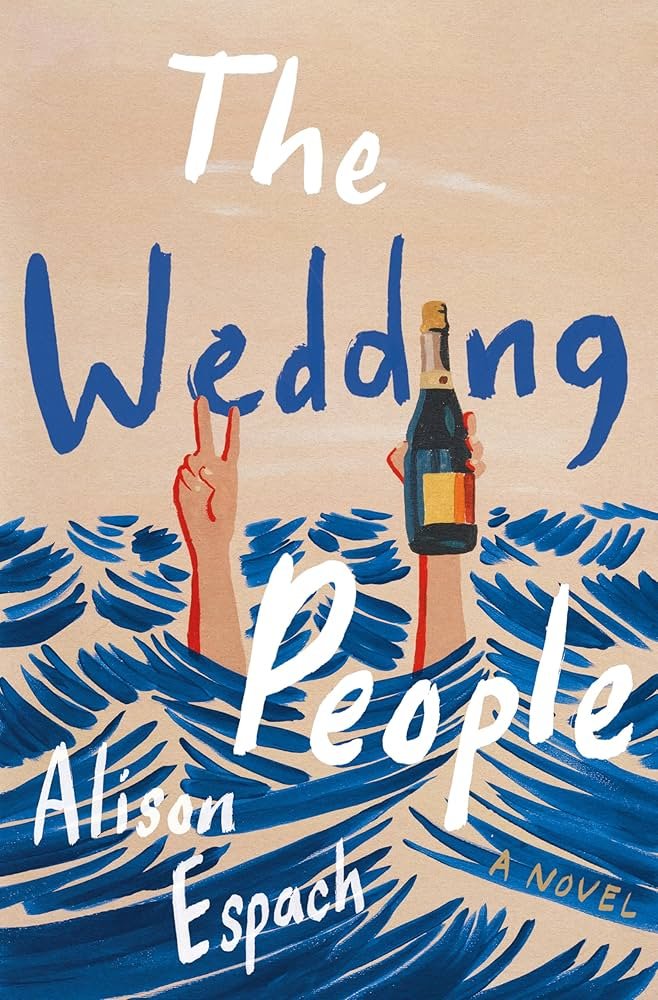
A few months ago when my book club picked The Wedding People, I knew right away that I wasn’t ready for it. Early descriptions mentioned infertility, and at the time, that was still a very tender place for me. So I skipped that month, fully planning to come back to it later—and I am so glad I did.
Reading this book now, from a steadier emotional place and no longer in the thick of infertility, allowed me to approach it with more openness and curiosity than raw pain. I was able to take in the full picture of what this story was doing, and while it isn’t a five-star favorite for me, it’s a book I found thoughtful, compassionate, and ultimately worth my time.

Emotional Impact
The Wedding People has a quiet emotional confidence that I really appreciated, and it is present throughout the entire novel. It doesn’t rush the poignant moments grief, nor does it force the catharsis that inevitably comes, and Espach allows the reader to sit with these messy and complicated feelings without being spoon-fed their meaning. There’s a sense of tenderness here, both toward loss and uncertainty, and the characters display the ways people just keep moving forward, even when life doesn’t look the way they imagined.
For me, the emotional impact was steady rather than overwhelming, and that restraint felt intentional and respectful.
Characters
The characters were easily my favorite part of this book. Both main female characters felt layered and multifaceted, while being flawed and deeply human, in ways that made me root for them even when I didn’t always agree with their choices. I appreciated how much space the author gave them to be uncertain, selfish, kind, and confused (sometimes all at once).
There’s a warmth to the character work here that made The Wedding People feel grounded and emotionally believable, and I found myself invested in their journeys.
A note on the setting
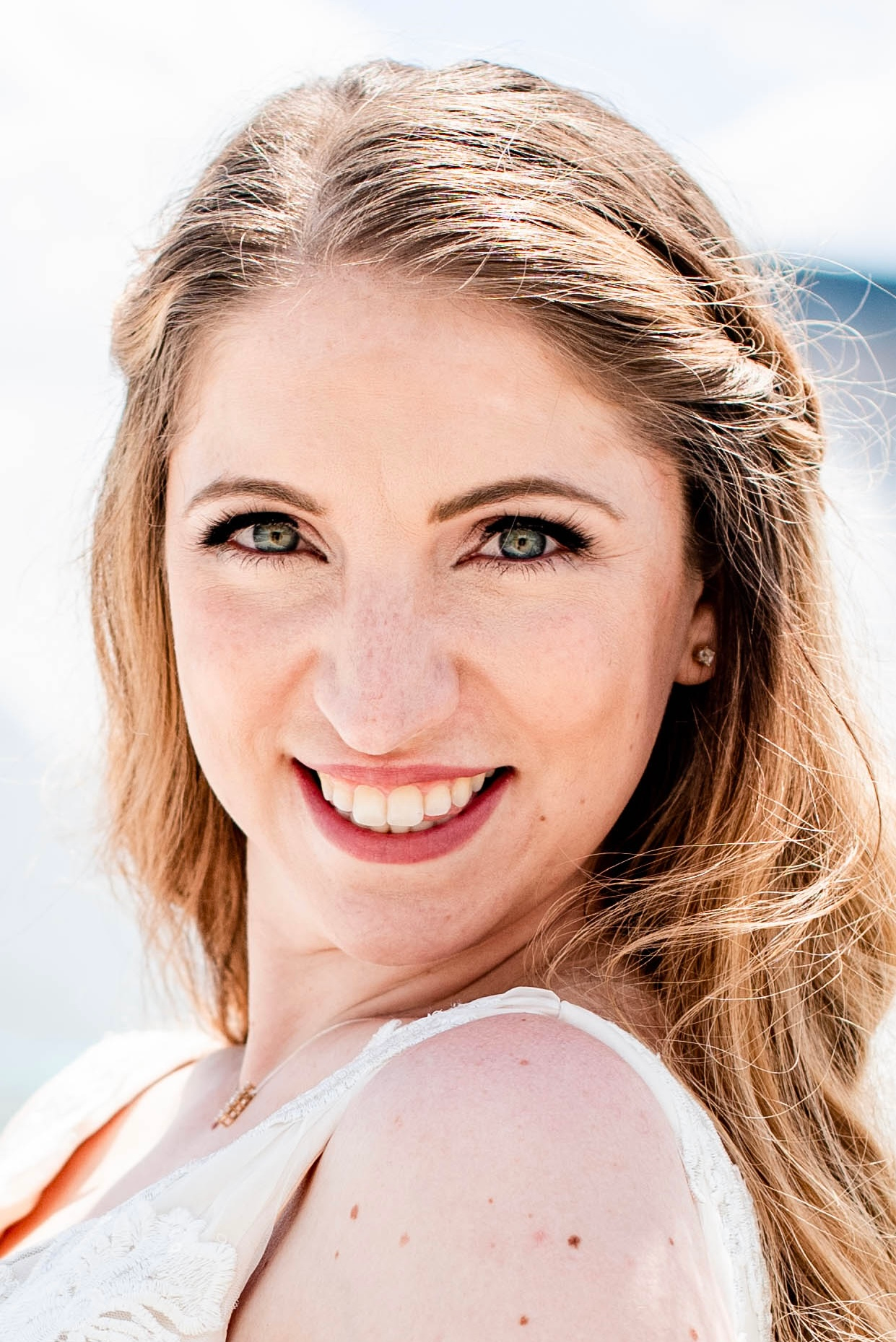
The setting of this book felt so real and realistic, and it really was the perfect place for these women to have their story take place. This picture is exactly what I pictured in my mind as I was reading about the fictional Cornwall Inn.
Plot & Pacing
I really found myself enjoying the pacing of this novel. I was a bit worried, as this is a reflective, character-driven story, but The Wedding People still moves forward with purpose. Nothing felt unnecessarily dragged out, and the narrative gave important moments the space they deserved without lingering too long.
The plot unfolds in a messy, nonlinear way that mirrors real emotional processing. This allowed the book’s poignant themes to really shine.
Voice & Dialogue
While I appreciated the subtlety of the writing, this is where The Wedding People worked a bit less for me. At times, the understated voice made me feel distant from the actual plot and story being told. I occasionally wished for more texture or emotional sharpness on the page.
The dialogue felt realistic, but it was not particularly memorable or overly quotable. It did its job without distracting me, but the words rarely lingered with me after a scene ended. For a story so centered on inner lives, I found myself wanting more spark or specificity in the dialogue.
Overall: Am I Glad I Read The Wedding People?
Yes—especially now. Timing made all the difference with this book. My greater emotional distance allowed me to appreciate Espach’s care for her characters through gentle storytelling.
It’s not a novel that demands attention, but one that rewards your patience. Though I didn’t fall in love with the writing style, I’m glad I spent time with these women.
The wedding people is for you if:
- You love character-driven stories with emotional depth
- You appreciate thoughtful pacing and realistic personal growth
- You’re able to engage with themes of infertility and life’s unexpected turns
The wedding people is not for you if:
- You want bold, lyrical prose or highly quotable dialogue
- You prefer fast-paced or plot-heavy novels
- You’re currently in a very raw season around infertility or loss